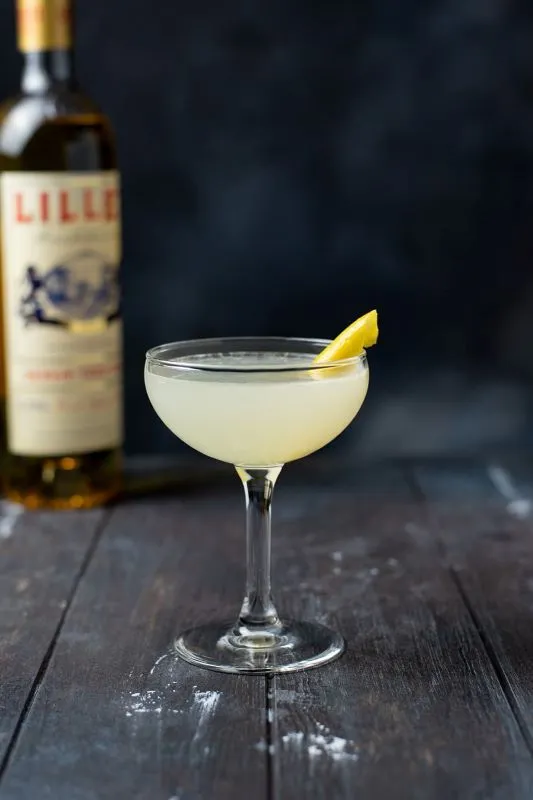
Corpse Reviver No. 2 Cocktail
- Strong
- dry
- sour
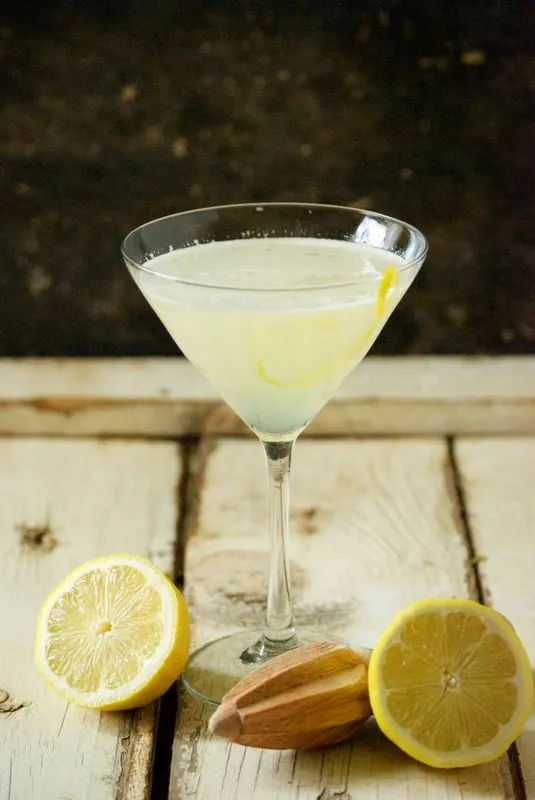
A dry and sour, strong cocktail, shaken over ice, served in a coupe glass.
Serve in: coupe glass
Ingredients
- 1 ozgin
- 1 ozorange liqueur
- 1 ozLillet Blanc
- 1 ozlemon juice
- 1 dashabsinthe
- iceoptional
How to Make a Corpse Reviver No. 2
Instructions
- Add all ingredients to a cocktail shaker.
- Add ice and shake well.
- Strain into a chilled coupe glass.
Garnish
Decorate with a lemon zest twist.
Tips & substitutions
- Rinse the chilled coupe with absinthe and pour out the excess rather than measuring it into the shaker, since even a small over-pour will dominate all four other ingredients. Use Cocchi Americano in place of Lillet Blanc if you want the drier, more bitter version Craddock actually wrote.
- No gin? Try vodka, tequila or white rum.
- No lillet? Try sweet vermouth or dry vermouth.
- No lemon juice? Try lime juice.
The glass
Serve this one in a coupe glass. Also known as Champagne Coupe or Champagne saucer. Fancy looking glass invented in the mid 17th century in England.
Did you know
Corpse revivers were a category before they were a cocktail. In nineteenth-century Britain the term covered any of the various restorative drinks taken first thing in the morning to deal with the previous night, and it appears in print in that general sense decades before any numbered recipe existed. What Harry Craddock did was formalise two of them.
Craddock's Savoy Cocktail Book, published in 1930 and one of the most influential drinks books ever written, lists a Corpse Reviver No. 1, made of brandy, calvados and sweet vermouth and stirred, and a Corpse Reviver No. 2, made of equal parts gin, orange liqueur, Kina Lillet and lemon juice with a dash of absinthe. Alongside the second he added the line that has followed the drink ever since: four taken in swift succession will unrevive the corpse again. It is the rare cocktail-book joke that is also a genuine warning, since the drink is deceptively easy to drink and almost entirely alcohol.
No. 1 has largely vanished. No. 2 became one of the defining gin cocktails of the modern revival, and it is easy to see why: it is bright, dry, faintly aniseed-scented and disarmingly balanced for something built from four strong-flavoured ingredients in equal measure.
One historical wrinkle affects every modern version. The Kina Lillet that Craddock specified was reformulated in the 1980s into Lillet Blanc, which retains the wine base but has far less quinine bitterness. A faithful Corpse Reviver No. 2 made with Lillet Blanc is therefore sweeter and rounder than the original. Many bartenders substitute Cocchi Americano, whose gentian bitterness is closer to the historical product, and the difference is noticeable.
The absinthe is used as a rinse or a single dash, and it should be smelled rather than tasted. Get it right and it perfumes the drink; get it wrong and it is the only thing you can taste.