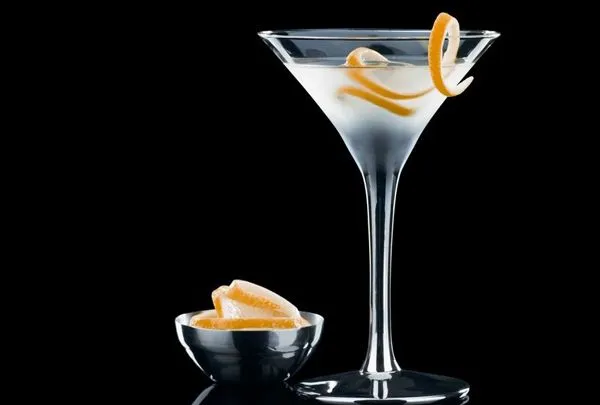
Vesper Cocktail
- Deadly
- dry
- sweet
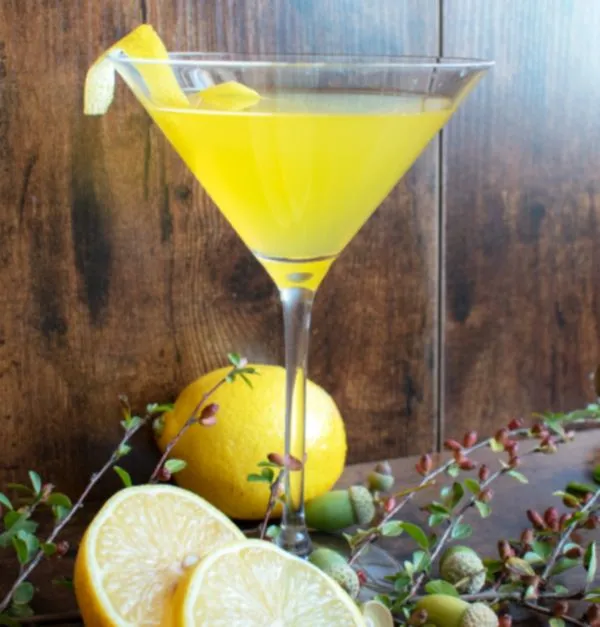
A dry and sweet, seriously strong cocktail, shaken over ice, served in a martini glass.
Serve in: martini glass
Ingredients
- 3 ozLondon dry gin
- 1 ozvodka
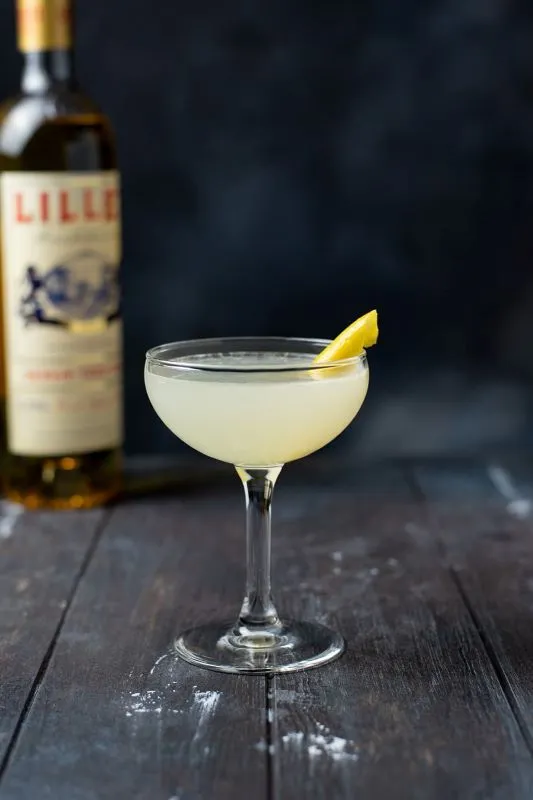
- 0.5 ozLillet Blanc
- 1lemon twistoptional
- Ice cubesoptional
How to Make a Vesper
Instructions
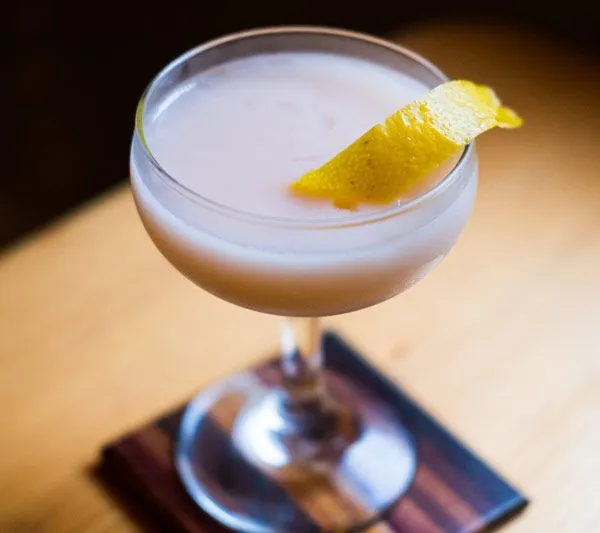
- Shake all ingredients with ice and fine strain into a chilled glass.
Garnish
Decorate with a large, thin-cut lemon peel.
Tips & substitutions
- Swap Lillet Blanc for Cocchi Americano if you can find it, since it restores the quinine bitterness the original recipe assumed. Use a high-proof gin too: at ordinary strength the vodka and aperitif flatten the botanicals and the drink loses its edge.
- No gin? Try vodka, tequila or white rum.
- No vodka? Try gin.
- No lillet? Try sweet vermouth or dry vermouth.
The glass
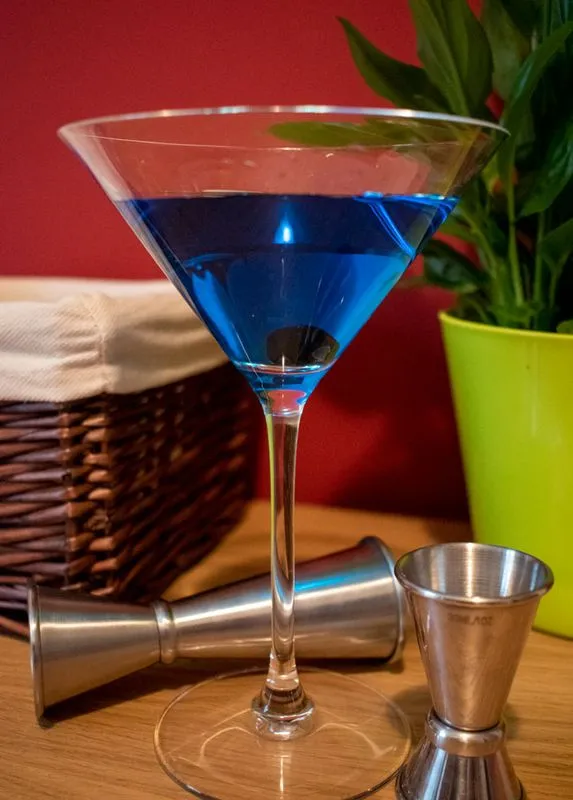
Serve this one in a martini glass. A martini glass is a stemmed glass with an inverted cone bowl, mainly used to serve straight-up cocktails. The term martini glass is often used interchangeably with cocktail glass, despite their differing slightly.
Did you know
The Vesper is the only classic cocktail invented in a novel. In Ian Fleming's Casino Royale, published in 1953, James Bond dictates a precise specification to a barman: three measures of Gordon's gin, one of vodka, half a measure of Kina Lillet, shaken until ice-cold, with a large thin slice of lemon peel. He later names it after Vesper Lynd. That scene is the drink's entire origin, and it is the reason the Vesper is the rare cocktail whose original recipe is preserved word for word.
Recreating it faithfully is harder than it looks, for two documented reasons. Kina Lillet, the quinine-forward aperitif Fleming specified, was reformulated in the 1980s into the sweeter, much less bitter Lillet Blanc that is sold today. And the gin of the period was bottled at a higher proof than the standard export strength now on most shelves. A modern Vesper built exactly to Fleming's proportions with today's products is a softer, rounder, less bracing drink than the one he described.
Bartenders have responded in two ways. Some use Cocchi Americano, an Italian aperitif wine whose gentian bitterness is closer to old Kina Lillet, which is now the most common substitution. Others keep Lillet Blanc and simply accept a gentler drink. Either way, a navy-strength or overproof gin brings the balance nearer to the original intent.
The other departure from convention is the shaking. Spirit-only drinks are normally stirred, and shaking a Vesper aerates it and leaves it slightly cloudy with ice shards. Fleming's Bond specified shaking anyway, and most bars honour it because the instruction is the point. If you prefer your gin drinks silky and crystal clear, stir it and enjoy a better drink with less romance.
As a piece of construction it is more interesting than its fame suggests. Vodka in a gin drink is usually a way of muting botanicals, but here it lengthens and cools the gin rather than diluting its character, while the aperitif wine supplies a small, wine-like sweetness that a dry vermouth would not. The lemon peel is not garnish either: Fleming was specific about a large thin slice, and the oil expressed across the surface is the first thing the drinker meets.