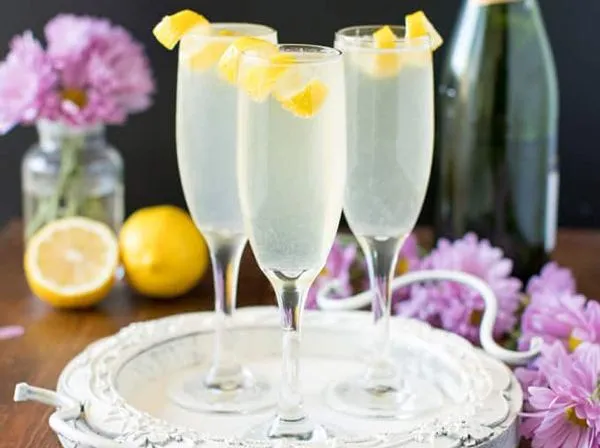
French 75 Cocktail
- Medium
- citrus
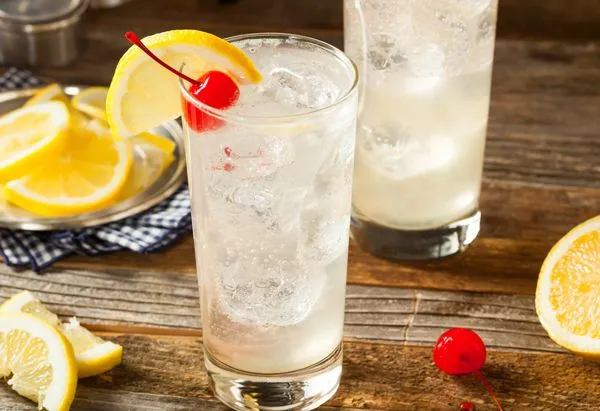
A citrus, medium-strength cocktail, shaken over ice, served in a flute glass.
Serve in: flute glass
Ingredients
- 1.5 ozgin
- 0.75 ozsimple syrup
- 0.75 ozFresh lemon juice
- 2 ozChampagne
- 1lemon peeloptional
- Ice cubesoptional
How to Make a French 75
Instructions
- Fill a cocktail shaker with ice then pour in the gin, lemon juice and simple syrup.
- Fasten the cap on the shaker and shake until well chilled, about 20 seconds.
- Strain the liquid into Champagne glasses and top with Champagne.
Garnish
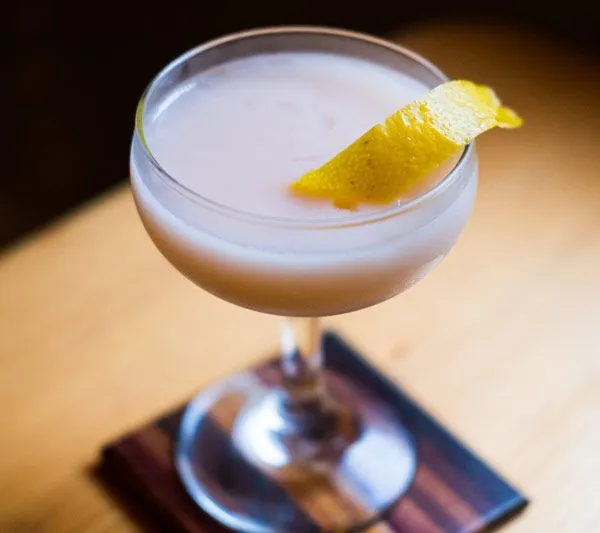
Decorate your glass with a lemon twist and enjoy this drink while it’s cold!
Tips & substitutions
- Shake the gin, lemon and sugar hard with ice, then strain into a chilled flute or coupe and top with sparkling wine last, poured slowly down the side. Never shake the wine, and make sure the bottle is properly cold, since warm bubbles foam over and go flat before you finish pouring.
- No gin? Try vodka, tequila or white rum.
- No lemons? Try limes.
The glass
Serve this one in a flute glass. A flute is a tall and elegant glass designed for serving champagne cocktails. The stem allows the drinker to hold the glass without affecting the temperature of the drink.
Did you know
Named for the French 75-millimetre field gun of the First World War, a weapon celebrated for its rapid fire and its kick, the French 75 is a drink built on the same joke: it goes down easily and hits harder than expected. Gin, lemon, sugar and Champagne make a Tom Collins with the soda water upgraded, which is exactly as dangerous as it sounds.
The drink is generally associated with Harry MacElhone and Harry's New York Bar in Paris, where a gin-and-Champagne mixture circulated under various names in the years around the war. Its documented career as the French 75, in the form we recognise, begins in print in the late 1920s: a 1927 American cocktail book carries it, and Harry Craddock's Savoy Cocktail Book of 1930 fixed the recipe for the English-speaking world with gin as the base. Earlier combinations of spirit and sparkling wine existed under other names, so the French 75 is better understood as a naming and refinement than a bolt from the blue.
That leaves the drink's one persistent argument: gin or cognac. The Savoy specifies gin, and most classic sources follow it. New Orleans, where the drink has a devoted following and a bar named after it at Arnaud's, generally serves it with cognac, producing a rounder, warmer version. Both are defensible; they simply are not the same drink. Cognac makes it richer and more wintry, gin keeps it bright and juniper-edged.
It is also one of the few classics that genuinely improves a decent but unexceptional bottle of sparkling wine, which makes it a useful thing to know. The lemon and sugar give the wine something to push against, and the gin supplies the backbone that a cheap fizz lacks on its own. Real Champagne is lovely in it but hardly necessary; a dry cremant or a good brut prosecco will serve, and the drier the wine the better, since the syrup and lemon already set the sweetness.
Service is worth a thought too. The Savoy pours it into a flute, which keeps the bubbles lively and concentrates the aroma, while many bars now use a coupe for a more generous surface and an easier drink to hold in conversation. Either works, provided the glass is genuinely cold before anything goes into it.