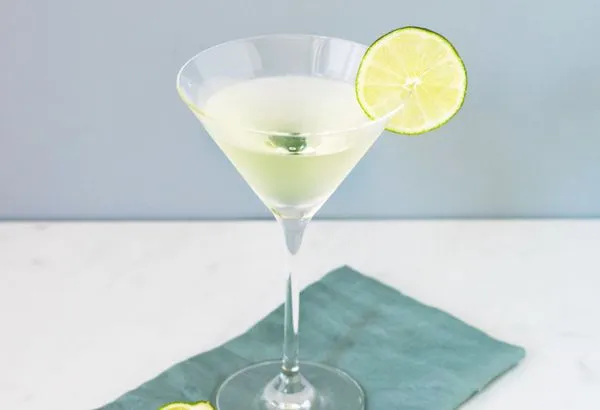
Gimlet Cocktail
- Strong
- citrus
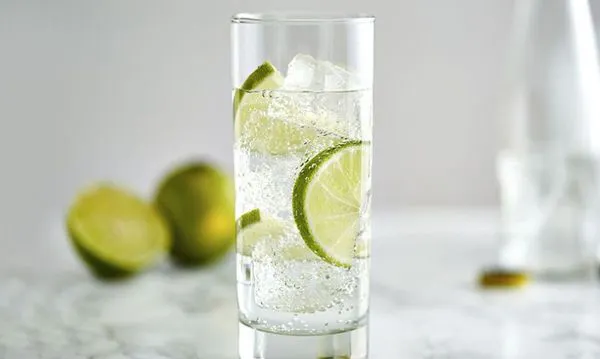
A citrus, strong cocktail, stirred until cold, served in a cocktail glass.
Serve in: cocktail glass
Ingredients
- 2 ozgin
- 0.75 ozlime cordial
- 2lime wedgeoptional
- Ice cubesoptional
How to Make a Gimlet
Instructions
- Pour the ingredients into a mixing glass with ice cubes.
- Stir well and strain into a chilled cocktail glass.
Garnish
Decorate with a lime wedge.
Tips & substitutions
- If you use cordial, stir the drink rather than shaking, since there is no fresh juice to aerate and stirring keeps it silky and clear. If you switch to fresh lime and syrup, shake it instead, and treat it as a different drink rather than a corrected one.
- No gin? Try vodka, tequila or white rum.
- No limes? Try lemons.
Did you know
The Gimlet is a drink shaped by preservation technology. In 1867 the British Merchant Shipping Act required ships to carry citrus juice as an anti-scurvy ration, and in the same year Lauchlan Rose patented a method of preserving lime juice without alcohol. Rose's Lime Juice Cordial was the commercial result: sweetened, shelf-stable and available anywhere the Royal Navy went. Gin plus that cordial, in some proportion, is the Gimlet.
The origin story most often told credits Rear-Admiral Sir Thomas Desmond Gimlette, a naval surgeon said to have mixed gin into sailors' lime ration to make the medicine palatable. It is repeated everywhere and has never been substantiated; the alternative etymology, from the small hand tool used to bore into casks, is equally plausible and equally unproven. The drink's own name appears in print in the 1920s, well after the components were in common use, and MacElhone's books of that decade record it as gin with Rose's.
Its most quoted appearance is literary. In Raymond Chandler's The Long Goodbye, a character insists that a real Gimlet is half gin and half Rose's lime juice and nothing else, which is both a great line and a recipe most modern drinkers would find punishingly sweet. Contemporary bars typically pour four parts gin to one of cordial, or abandon cordial altogether in favour of fresh lime juice and simple syrup.
That substitution is the drink's live argument. Fresh lime and sugar make a brighter, more aromatic drink, essentially a gin Daiquiri, and many bartenders prefer it. But the cordial version tastes distinctly different: rounder, slightly candied, with a faintly cooked lime note that fresh juice cannot produce. Since making your own lime cordial is straightforward, there is no reason not to try both.
Vodka Gimlets are common and perfectly good, though gin's botanicals give the lime much more to react against.