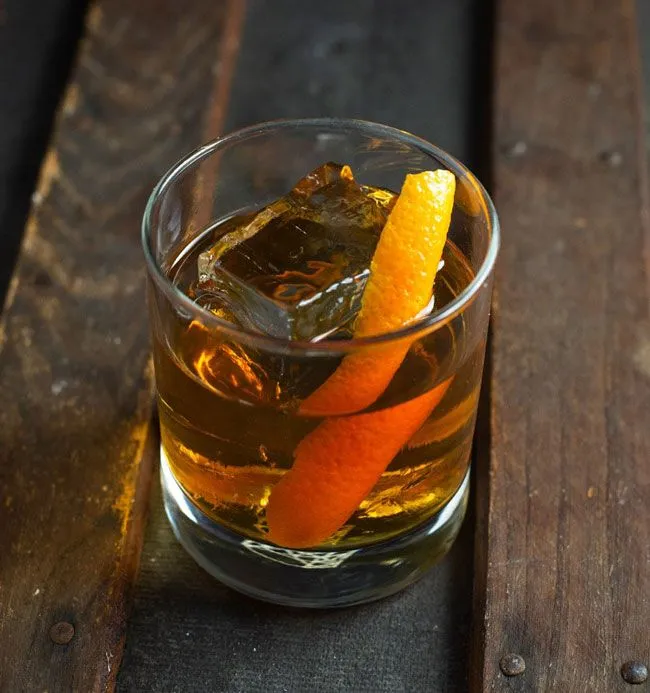
Old Fashioned Cocktail
- Deadly
- sweet
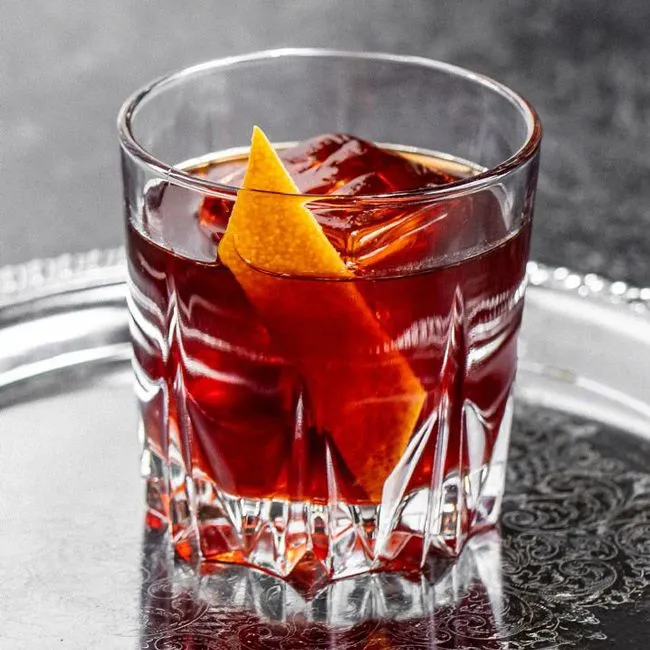
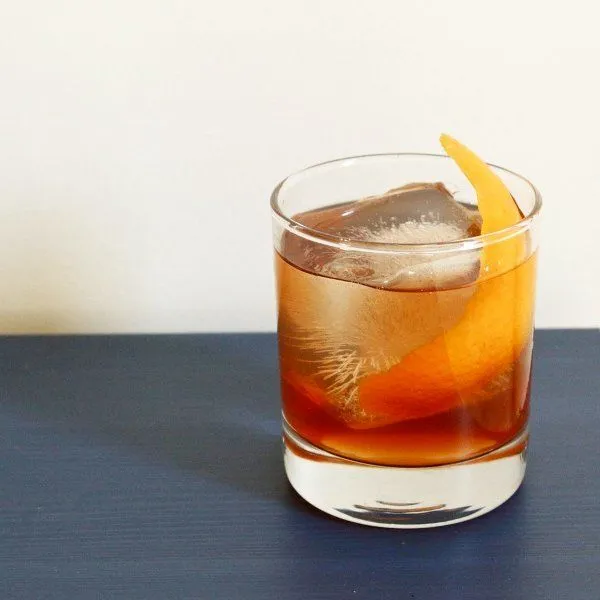
A sweet, seriously strong cocktail, shaken over ice, served in an old fashioned glass.
Serve in: old fashioned glass
Ingredients
- 1.5 ozbourbon
- 1sugar cube
- 1 tspwater
- 13 dropsangostura bitters
- 1orange peeloptional
- iceoptional
How to Make an Old Fashioned
Instructions
- Add sugar cube, angostura bitters and water in an old fashioned glass.
- Muddle until the sugar cube is completely dissolved.
- Fill the glass with ice and pour the bourbon.
Garnish
Decorate with orange peel.
Tips & substitutions
- Build it slowly and stir with ice for a full 30 seconds; the small amount of dilution is not a side effect but an ingredient, and an under-stirred Old Fashioned tastes hot and disjointed. If you use a sugar cube, dissolve it completely in the bitters and a splash of water before the whiskey goes anywhere near the glass.
- No bourbon? Try whisky or scotch.
The glass
Serve this one in an old fashioned glass. The old fashioned glass or rocks glass is a short tumbler used for serving spirits, such as whisky, neat or with ice cubes. It is also normally used to serve certain cocktails, such as the Old Fashioned, from which it receives its name.
Did you know
The Old Fashioned is less a recipe than the original definition of the word cocktail. In 1806, a reader's question in a New York newspaper, the Balance and Columbian Repository, prompted an editor to explain that a cocktail was a stimulating liquor composed of spirits of any kind, sugar, water and bitters. Spirit, sugar, water, bitters: that is the whole drink, and it has never needed to be anything else.
The name arrived later and by accident. Through the second half of the 1800s, bartenders grew fond of elaboration, folding in liqueurs, vermouth and syrups. Drinkers who wanted none of that began asking for their whiskey cocktail made the old-fashioned way, and by the 1880s the phrase had hardened into a drink name that appeared in print and on bar lists. A popular story credits the Pendennis Club in Louisville, and by extension Colonel James E. Pepper, with formalising it; the tale is repeated everywhere but has never been documented, so treat it as tradition rather than fact.
The drink's low point came after Prohibition, when a generation of bartenders trained on inferior spirits started muddling orange slices and maraschino cherries into the glass to cover the whiskey. That fruit-salad version dominated American bars for decades and is still what many people picture. The modern revival, accelerated by the cocktail renaissance of the 2000s and by the drink's prominence on television, stripped it back to whiskey, sugar, bitters and a wide swathe of citrus oil expressed over the top.
Because it is a template rather than a fixed formula, the Old Fashioned absorbs substitutions easily. Rye gives spice and a drier finish; bourbon gives sweetness and body. Demerara or maple syrup deepens it, an aged rum turns it into a rum Old Fashioned, mezcal into an Oaxaca variation, and Peychaud's bitters shift it toward New Orleans. Every one of those is the same drink with one column changed, which is exactly why it has survived two centuries of fashion.