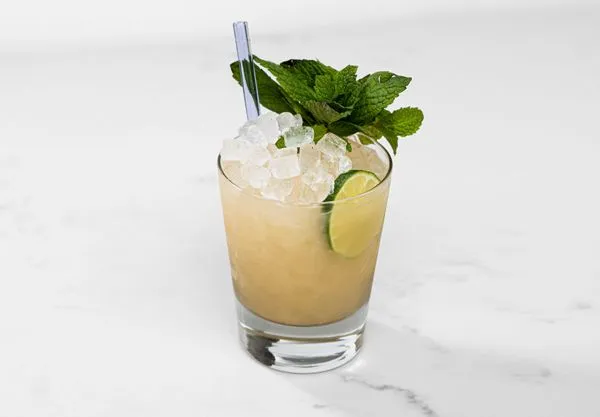
Mai Tai Cocktail
- Strong
- citrus
A citrus, strong cocktail, shaken over ice, served in an old fashioned glass.
Serve in: old fashioned glass
Ingredients
- 1 ozjamaican rum
- 1 ozwhite rum
- 1 ozFresh lime juice
- 0.5 ozOrange curacao
- 0.25 ozorgeat syrup
- 0.25 ozsimple syrup
- 1lemon peeloptional
- Ice cubesoptional
How to Make a Mai Tai
Instructions
- Fill a cocktail shaker with ice then pour in all the ingredients.
- Shake very well for about 20 seconds.
- Pour into a chilled glass and serve.
Garnish
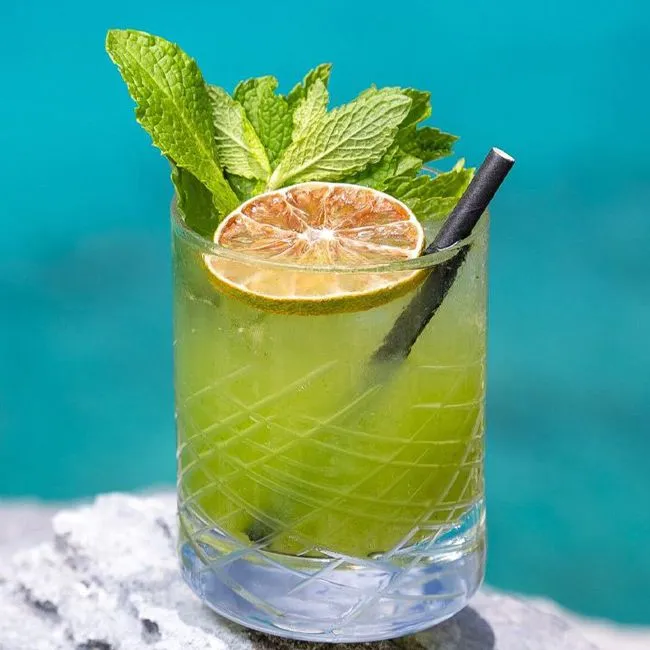
Decorate with a sprig of mint.
Tips & substitutions
- Orgeat is not optional and not interchangeable with simple syrup; its almond and orange-flower character is half the drink's identity, so buy a good one or make it. Use two rums if you can, shake with crushed ice, and pour the whole thing unstrained so the drink stays cold as you work through it.
- No rum? Try gin.
- No limes? Try lemons.
- No lemons? Try limes.
The glass
Serve this one in an old fashioned glass. The old fashioned glass or rocks glass is a short tumbler used for serving spirits, such as whisky, neat or with ice cubes. It is also normally used to serve certain cocktails, such as the Old Fashioned, from which it receives its name.
Did you know
The Mai Tai is the high point of American tiki, and the subject of a long-running dispute between its two great architects. The account with the most supporting detail comes from Victor Bergeron, better known as Trader Vic, who said he created the drink at his Oakland restaurant in 1944 using a seventeen-year-old Jamaican rum, fresh lime, orange curacao, orgeat and rock candy syrup. He served it to friends visiting from Tahiti, and one of them, Carrie Guild, is said to have declared 'maita'i roa ae', roughly 'out of this world, the very best', giving the drink its name.
Donn Beach, the founder of Don the Beachcomber and the man who effectively invented tiki drinking, claimed a Mai Tai of his own dating to 1933. His recipe is a different drink, with grapefruit, falernum and Pernod among other things, and the two men's rivalry means neither account can be taken entirely at face value. Bergeron's version is the one that spread, and it is the one people mean today.
The original's rum was its soul, and the drink outran its supply. When the aged Jamaican rum Bergeron favoured became unavailable, he blended rums to approximate it, which is why so many good modern recipes call for a split base: a funky, pot-still Jamaican rum for aroma alongside a lighter or aged rum for structure.
The Mai Tai then suffered one of the worst reputational collapses in cocktail history. As tiki degenerated in the 1960s and 1970s, it became a sweet red slurry of pineapple juice, grenadine and cheap rum, bearing no relationship to the original. The tiki revival of the 2000s, led by drinks historians who dug up the original specifications, restored it to what it always was: a rum sour, dry, nutty and complex, with no fruit juice in it beyond lime.