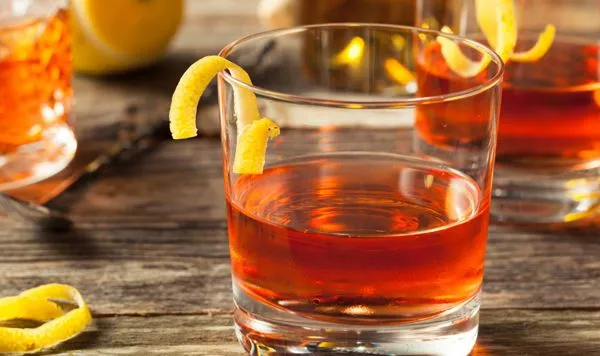
Sazerac Cocktail
- Deadly
- sweet
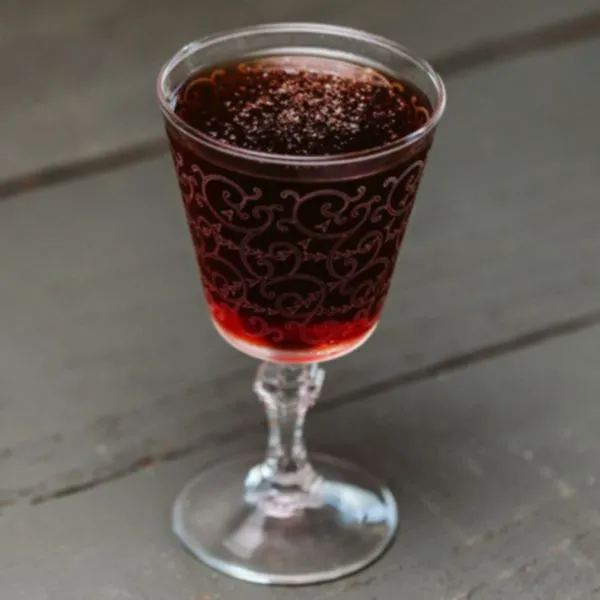
A sweet, seriously strong cocktail, shaken over ice, served in a rocks glass.
Serve in: rocks glass
Ingredients
- 1.25 ozCognac
- 1.25 ozwhisky
- 1 dashangostura bitters
- 2 dashpeychaud's bitters
- 1sugar cube
- 1lemon peeloptional
- absinthe
- Crushed iceoptional
How to Make a Sazerac
Instructions
- Rinse a chilled rocks glass with absinthe, discarding any excess, and set aside.
- In a mixing glass, muddle the sugar cube, water and both bitters.
- Add the whisky and cognac fill with ice, and stir until well-chilled.
- Strain into the prepared glass.
Garnish
Twist a slice of lemon peel over the surface to extract the oils and then discard.
Tips & substitutions
- Rinse the chilled glass with absinthe and pour out the excess, then build and stir the drink separately, never over the rinse. Express the lemon peel over the surface and, if you want the classic New Orleans profile, throw the peel away rather than dropping it into the glass.
- No brandy? Try bourbon or sweet vermouth.
- No whisky? Try scotch or bourbon.
- No lemons? Try limes.
The glass
Serve this one in a rocks glass. Basically an Old Fashioned glass, but stronger with thicker glass and rim, made from toughened glass to suit drinks that require muddling.
Did you know
The Sazerac is New Orleans in a glass, and the official cocktail of that city by act of the Louisiana legislature in 2008. Its ingredients read like a map of the city's history: French brandy, an apothecary's bitters, absinthe, and eventually American rye whiskey.
The drink takes its name from Sazerac de Forge et Fils, a brand of cognac imported into New Orleans in the nineteenth century, and from the Sazerac Coffee House that sold it. Antoine Amedee Peychaud, a Creole apothecary whose bitters remain essential to the recipe, is woven into every telling of the story. The most famous version claims Peychaud served his brandy-and-bitters mixture in a French egg cup, a coquetier, and that the mispronunciation of that word gave English the word cocktail. It is a wonderful story, repeated constantly in New Orleans, and etymologists do not accept it; the word cocktail is documented in America before Peychaud was mixing anything.
The switch from cognac to rye is better understood. When the phylloxera louse devastated French vineyards in the later nineteenth century, brandy became scarce and expensive, and American rye stepped into the gap. Many bartenders today split the base between the two, which is a genuinely good compromise and a nod to the drink's history rather than a modern indulgence.
Absinthe supplies the last piece. The United States banned absinthe in 1912, and New Orleans bars turned to local anise substitutes, most notably Herbsaint, which is still traditional. Absinthe is legal again, so either works; what matters is the technique of rinsing the glass and discarding the excess so the anise arrives as aroma rather than flavour.
The result is an Old Fashioned with a strong regional accent: spirit-forward, aromatic, slightly medicinal in the best sense, and finished with lemon oil expressed over the top. In New Orleans the peel is traditionally discarded rather than dropped in.